Your Guide to Local Summer Events and Community Meetups in 2026
Your Guide to Local Summer Events and Community Meetups in 2026
This article was drafted with AI assistance and reviewed and edited by the Therr team before publication.
Summer 2026 isn't just another season of backyard barbecues and beach trips. Something bigger is happening: 79% of 18-to-35-year-olds say they plan to attend more local events this year, according to Eventbrite's 2026 Social Study. Community meetups — from block parties to running clubs to pop-up markets — are exploding. And it's not a passing trend. It's a cultural reset.
Why Community Meetups Are Exploding in 2026
Call it the "Reset to Real." After years of curated feeds and algorithmic content, people — especially Gen Z and millennials — are choosing face-to-face connection over screen time. Eventbrite's research found that 49% of young adults want events that feel less curated and more authentic, and nearly nine in ten want events that connect them to their local community.
The numbers paint a clear picture. The global events industry crossed $1.35 trillion in 2025, and live community events increase monthly engagement by 55%, according to Bevy's community management research. Meanwhile, searches for "social clubs" and "run clubs" have hit all-time highs. What was once niche is now mainstream.
This tracks with a broader shift we've been watching: algorithm fatigue is pushing people toward local, real-world experiences. When your feed starts to feel like it was designed for someone else, the park down the street starts to look a lot more appealing.
Types of Summer Events Worth Finding
Not all summer events are created equal. Here are the types generating the most buzz in 2026:
Community markets and pop-ups. Local farmers markets, food truck rallies, and craft fairs are seeing record attendance. They blend economic support with cultural connection — and they're some of the easiest events to stumble upon when you're out exploring your neighborhood.
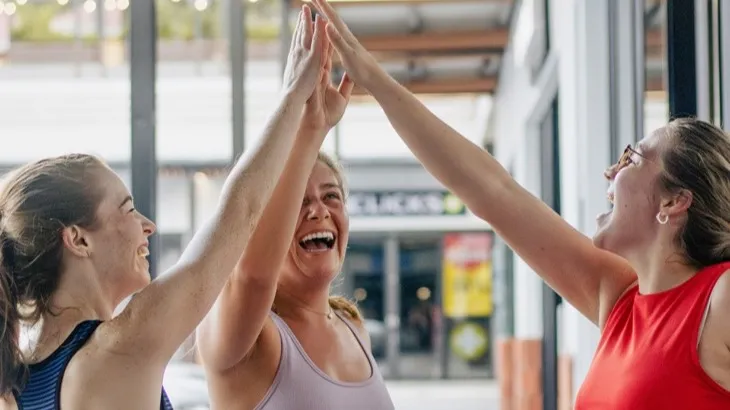
Running clubs and fitness meetups. The run club phenomenon isn't slowing down. What started as a fitness trend has become a social movement, with groups forming around everything from morning jogs to sunset yoga in the park.
Block parties and neighborhood gatherings. After so much life spent online, there's a real hunger to rediscover the faces and rhythms close to home. Block parties, community cookouts, and neighborhood clean-ups are helping people feel rooted again.
Creative workshops and skill shares. From pottery in someone's garage to photography walks through the city, skill-sharing events are booming. They combine learning with socializing in a way that feels organic, not forced.
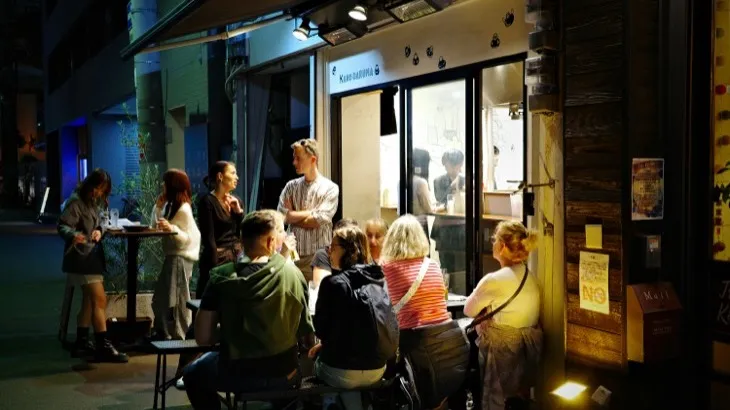
Pop-up dinners and food experiences. Local food shapes culture and community in powerful ways. Pop-up dinners at unexpected venues — rooftops, parks, empty storefronts — are creating memorable, one-of-a-kind experiences that people talk about for weeks.
How to Find Local Meetups Without Doom-Scrolling
Here's the irony: the best summer experiences are happening right around you, but finding them often means wading through endless social media feeds and generic event listings. There are 1.5 billion "near me" searches every month, and most of them lead to the same recycled recommendations.
There's a better approach. Instead of searching for events from your couch, try discovery that's tied to where you actually are. Proximity-based platforms surface what's happening nearby — not what an algorithm thinks you should see based on your browsing history. It's the difference between finding a trending event across the city and discovering a neighborhood cookout two blocks away.
We've written a deeper guide on finding local events without endless scrolling — it covers practical strategies for cutting through the noise. The short version: the best discovery happens when you're already out in the world, not glued to a search bar.
That's exactly what Therr is built for. Content comes alive when you're nearby, so you discover events, meetups, and hidden gems by being present in your community — not by doom-scrolling.
Why the Best Events Come from Real Communities
There's a reason why 58% of community members say they join events mainly to meet other members, not interact with a brand. The magic of great local events isn't the production value or the Instagram-worthy backdrop. It's the people.
The most vibrant summer events in 2026 aren't being planned by faceless corporations. They're organized by neighbors, local business owners, running club captains, and community builders who care about their area. And as creators go local with real-world events, the line between "influencer content" and genuine community programming is blurring — in the best way.
This is where the third place renaissance comes in. Cafés, parks, community centers, and local venues are reclaiming their roles as gathering spaces. When events happen in these familiar, trusted settings, attendance goes up and connections go deeper.
Platforms that prioritize authenticity — verified accounts, geo-tagged posts, real identities — help ensure the events you find are genuine. No bots promoting fake pop-ups. No spam clogging your feed. Just real people hosting real experiences.
Your Summer 2026 Meetup Starter Kit
Ready to make this your most connected summer yet? Here's a quick starter kit:
1. Pick one neighborhood to explore each week. Walk a few blocks you haven't visited before. Check local bulletin boards, coffee shop flyers, and community apps for what's happening.
2. Join one recurring meetup. Whether it's a weekly run club, a monthly book group, or a Sunday farmers market ritual — consistency builds real relationships. Nearly 55% of Americans say attending events makes them feel more connected to their communities.
3. Host something small. A front-porch hangout, a park picnic, a neighborhood walk. You don't need a permit or a budget — just an invitation. The best community builders start with showing up.
4. Use proximity-first discovery. Download Therr and let your location do the searching, or start from a laptop and browse places and events near you. When content is tied to real places, you find what's actually happening around you — not what's trending three cities away.
5. Bring a friend — or don't. Nearly a quarter of 18-to-29-year-olds report feeling lonely. Showing up solo to a local event takes courage, but it's also how the best new friendships start. Most people at community events are there for the same reason you are: to connect.
Frequently Asked Questions
How do I find community meetups near me?
The best approach is using proximity-based apps like Therr that surface events tied to your actual location. You can also check community bulletin boards, local Facebook groups, library event calendars, and neighborhood newsletters. The key is to look for platforms that prioritize what's nearby over what's trending globally.
Are community meetups free to attend?
Most community meetups — including running clubs, block parties, skill shares, and neighborhood gatherings — are free or low-cost. Some organized events like pop-up dinners or workshops may charge a small fee, but the majority of grassroots community events are open to everyone.
What if I don't know anyone at a local event?
That's completely normal — and actually one of the best reasons to go. Community events are designed for meeting new people. Start with smaller, recurring events like run clubs or book groups where you'll see the same faces regularly, which makes building connections easier and more natural.
Summer 2026 is shaping up to be a landmark season for local connection. The tools, the desire, and the momentum are all there. The only thing missing is you — out in your neighborhood, discovering what's been there all along.
Have a favorite summer meetup or local event tradition? Share your thoughts at info@therr.com — we'd love to hear what's happening in your community.