Algorithm Fatigue Is Real: Why People Are Choosing Local Over Viral

The Quiet Exodus from Algorithmic Feeds
This article was drafted with AI assistance and reviewed and edited by the Therr team before publication.
Something interesting is happening across social media. People aren't just complaining about algorithms anymore — they're leaving. Not dramatically, not all at once, but quietly. Screen time is dropping. Feeds are going unchecked. And in the space that's opening up, something better is taking root.
This shift has a name: algorithm fatigue. It's the creeping exhaustion that comes from being constantly served content you didn't ask for, from creators you don't know, optimized for engagement rather than enjoyment. And it's not a fringe feeling anymore — recent research from Pew shows that social media satisfaction has been declining steadily, particularly among younger users who grew up on these platforms.
The question is no longer "Is social media bad?" — it's "What comes next?"
What Algorithm Fatigue Actually Looks Like
Algorithm fatigue doesn't always look like deleting an app. More often, it looks like:
- Passive scrolling without purpose — opening an app out of habit, then closing it two minutes later feeling worse
- Content déjà vu — seeing the same recycled trends, rage bait, and engagement farming across every platform
- Trust erosion — not knowing whether a recommendation is genuine or paid, whether a review is real or manufactured
- Social comparison spiraling — being constantly exposed to highlight reels from strangers instead of real updates from people you actually know
The platforms know this is happening. Instagram has reorganized its feed multiple times. TikTok is experimenting with longer content. X (formerly Twitter) keeps reinventing itself. But the underlying model hasn't changed: maximize time on app, serve ads, repeat. The algorithm doesn't care if you had a good time — only that you stayed.
The Local Turn
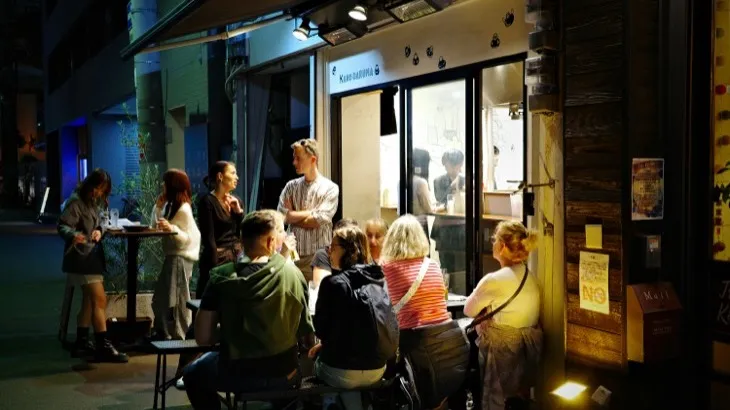
Here's what's genuinely exciting: as people pull back from algorithm-driven platforms, they're not going offline entirely. They're going local.
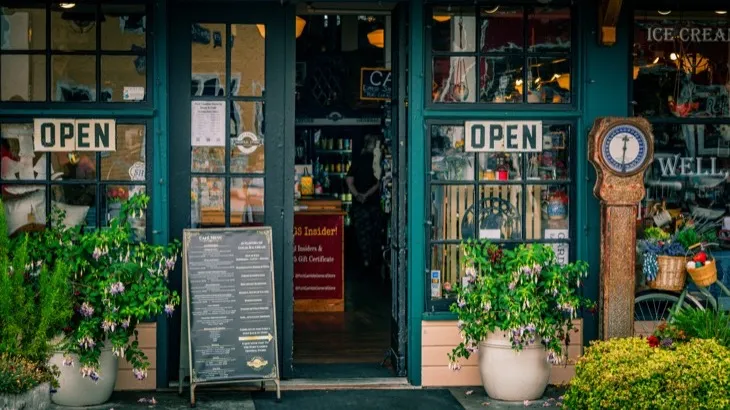
Community-focused platforms, neighborhood apps, and local discovery tools are seeing real growth. People want to know what's happening on their block, not what's trending in a country they've never visited. They want to find the new coffee shop around the corner, not watch a celebrity promote one across the country.
This isn't nostalgia — it's practical. Local connections drive real economic value. When you discover a business through a neighbor's recommendation instead of a sponsored post, the trust is built in. The relationship is different. The money stays in your community.
Why "Local-First" Isn't Just a Buzzword
The local-first movement in social media mirrors what's already happened in food (farm-to-table), retail (shop small), and media (local journalism). People are realizing that scale isn't always better. A platform that connects you with 2 billion strangers isn't inherently more valuable than one that connects you with 200 people in your neighborhood — in fact, for daily life, the opposite is often true.
Consider what local-first social actually enables:
- Discovery with context — finding a restaurant because someone who lives near you loved it, not because it paid for placement
- Real accountability — businesses and people are part of the same community, which naturally encourages authenticity
- Purposeful engagement — interacting because something is relevant to your life, not because an algorithm predicted you'd react to it
- Economic impact you can see — supporting a local business and then walking past it every day, seeing it thrive
How Therr Is Built for This Moment
This is exactly why Therr exists. From day one, the app has been designed around a fundamentally different premise: your real-world location and community should drive your digital experience, not the other way around.
Therr's reward system incentivizes actual local engagement — visiting businesses, attending events, connecting with people nearby. It's not about going viral or chasing followers. It's about making your physical community stronger through technology that serves you, rather than extracting from you.
Where traditional social media asks "How do we keep you scrolling?", Therr asks "How do we get you out the door and into your neighborhood?" That's a fundamentally different question, and it leads to fundamentally different outcomes:
- Local businesses get discovered by the people most likely to actually walk through their door
- Users build real relationships with real people and places
- Communities become more connected, not just more online
What You Can Do Today
If algorithm fatigue resonates with you, here are a few concrete steps:
- Audit your screen time honestly. How much of it leaves you feeling better? How much is just habit?
- Replace one algorithmic scroll with a local one. Instead of opening Instagram or TikTok, open a local discovery app. See what's happening near you.
- Support one local business this week that you found through a real recommendation — from a friend, a neighbor, or a community platform — not a sponsored ad.
- Tell someone about it. The best local recommendations come from real people. Be that person for someone in your community.
The era of passively consuming algorithmic content doesn't have to be permanent. The tools for something better already exist. The shift is already happening. The only question is whether you'll be part of it.
Download Therr and start discovering what's actually around you.
Share your thoughts on our socials or send an email, and let us know if you can relate. For more tips & info, send feedback, questions, or suggestions to the e-mail below!
info@therr.com