How Local Food Shapes Culture, Community, and Connection

Local Food Is the Heartbeat of Every Thriving Community
This article was drafted with AI assistance and reviewed and edited by the Therr team before publication.
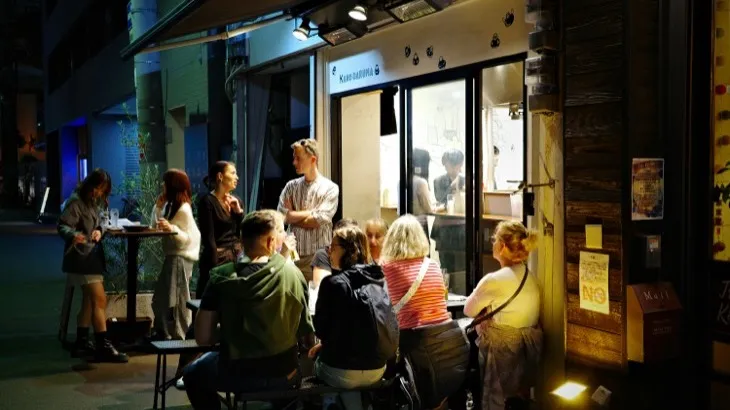
Food has always been more than sustenance. It's how neighborhoods introduce themselves, how cultures share their stories, and how strangers become regulars. When a city celebrates culinary diversity, the effects ripple far beyond the dinner table — they reshape the local economy, strengthen social bonds, and create the kind of vibrant street life that makes a place feel alive.
And the data backs it up. The restaurant and food service industry is the second-largest private sector employer in the United States, employing 15.5 million people. That's not just an economic stat — it's millions of individuals whose livelihoods are woven into the fabric of their communities. When local food thrives, everyone benefits.
How Food Diversity Fuels Community Growth
Walk through any thriving neighborhood and you'll notice the pattern: a taqueria next to a pho shop, a Jamaican patty stand across from an Ethiopian restaurant, a bakery run by a family that moved here two generations ago. This isn't random — it's the visible signature of a community that welcomes people and rewards cultural exchange.
Cities with diverse food scenes tend to be cities where people actually want to live. Research from the Auguste Escoffier School ranks San Francisco as the nation's most diverse food city, noting a strong relationship between culinary diversity and economic vitality. A vibrant restaurant scene draws foot traffic, which attracts other small businesses — cafes, galleries, boutiques — creating a virtuous cycle of local investment.
When diversity is celebrated and rewarded, something powerful happens. Newcomers feel welcomed. Longtime residents discover something new in their own backyard. And the tax revenue generated by thriving restaurants supports local infrastructure, schools, and public services. It's community building with every plate served.
The People Behind the Food

Behind every neighborhood restaurant is a story. The chef who perfected her grandmother's recipe. The food truck owner who left a desk job to follow a dream. The line cook working double shifts to support a family. The food services industry is built on real people making real sacrifices — and their work shapes the character of every community they serve.
The growth is tangible. The 2025 National Food Hub Survey found that food hub channels have seen 288% growth since 2006, with average gross sales to schools tripling and sales to food banks nearly doubling between 2021 and 2025. These aren't just numbers — they represent more local food reaching more people, from school cafeterias to families in need.
Farmers markets tell a similar story. The number of markets accepting SNAP benefits grew from 900 in 2009 to over 4,600 by 2020, with redemption values jumping from $4 million to over $33 million. Local food is becoming more accessible, and the communities that invest in this infrastructure are stronger for it.
Food Delivery: Extending the Neighborhood Table
Then there's food delivery — a force that's fundamentally changed how local food reaches people. The global food delivery market hit $156.75 billion in 2024 and is projected to reach $173.57 billion in 2025, growing at a 10.7% annual rate. In the U.S. alone, food delivery revenue is projected to reach $429.9 billion in 2025.
For local restaurants, delivery platforms are a double-edged sword. On one hand, they expand reach beyond the four walls of a restaurant, connecting a family-run Thai place with customers who might never have walked past the door. On the other hand, high commission fees can squeeze already-thin margins. The restaurants that navigate this balance well — using delivery to build awareness while cultivating in-person regulars — tend to thrive. Resources like AppyMeal's blog offer practical insights for food businesses looking to grow their local reach through delivery and beyond.
What's interesting is how delivery is becoming more local, not less. Hyperlocal hubs and 15-minute delivery promises are pushing the infrastructure closer to neighborhoods. Aggregator platforms are partnering with more independent restaurants, cafes, and specialty food shops, which broadens the culinary diversity available to any given neighborhood. When someone orders from the Eritrean place down the street instead of a national chain, that's a vote for local culture.
Why Local Food Matters for Connection
Food is one of the few things that cuts across every demographic line. Age, income, background — everyone eats. And sharing a meal remains one of the most reliable ways to build trust, break down barriers, and turn neighbors into friends.
Communities with strong local food systems tend to have more vibrant public life: farmers markets that become weekly social events, food festivals that bring entire neighborhoods together, and restaurants that serve as unofficial community centers. These aren't accidental outcomes. They're the natural result of investing in local food infrastructure and celebrating the people who make it possible.
This is where technology can play a meaningful role. Platforms like Therr are designed to help people discover what's happening locally — including the restaurants, markets, and food events that make their neighborhoods unique. When you can easily find that new Ethiopian spot around the corner or get notified about a weekend food festival, you're more likely to show up, try something new, and connect with the community around you. Browsing restaurants near you is the low-effort version of that, and a curated write-up like Portland restaurants worth knowing is what it looks like when someone has already done the walking for you.
Supporting Local Food, Building Local Culture
If you want to strengthen your community, start with your next meal. Here are a few ways to make local food part of your everyday life:
- Eat local at least once a week. Skip the chain and try the family-owned spot you've been walking past. Every dollar spent at a local restaurant recirculates in your community at a higher rate than money spent at national chains.
- Visit your farmers market. It's not just about produce — it's about meeting the people who grow your food and connecting with neighbors who care about the same things you do.
- Order from local restaurants on delivery apps. When you do order in, choose the independent spot over the franchise. Your order helps sustain a local business and the jobs that come with it.
- Share what you discover. Found an incredible new lunch spot? Tell your friends, post about it, leave a review. Word of mouth is still the most powerful marketing a small restaurant can get.
- Use local discovery tools. Apps like Therr make it easy to find nearby restaurants, food events, and local businesses — and even earn rewards for engaging with them.
Every neighborhood has a food story worth telling. The question is whether you're part of it.
Share your thoughts on our socials or send an email, and let us know if you can relate. For more tips & info, send feedback, questions, or suggestions to the e-mail below!
info@therr.com