The Social Habits Shaping 2026: Why We Crave Real Connections More Than Ever
Our Social Habits Are Changing — and That's a Good Thing
This article was drafted with AI assistance and reviewed and edited by the Therr team before publication.
Something is shifting in the way we socialize. After years of building habits around likes, shares, and algorithmic feeds, people — especially younger generations — are rethinking what it means to actually connect. It's not that social media is dying. It's that our social habits are evolving, and the direction they're heading is genuinely encouraging.
The numbers tell a striking story. The American Psychological Association reports that 40% of U.S. adults now describe themselves as lonely — up from 35% in 2018. Meanwhile, Gen Z spends an average of 4.5 hours per day on social media, yet reports the highest levels of social dissatisfaction of any generation. More screen time clearly isn't producing more connection.
But here's the hopeful part: people are starting to do something about it.
The Rise of Intentional Social Habits
Across cities worldwide, a new pattern is emerging. People are becoming more deliberate about how, where, and with whom they spend their social energy. Instead of passively consuming content from strangers, they're seeking out local events, community meetups, and small-group experiences.
This shift isn't driven by nostalgia — it's driven by data. A 2025 Oregon State University study of over 1,500 adults found that those in the top 25% of social media usage frequency were more than twice as likely to experience loneliness. The pattern held whether people spent hours in long sessions or made dozens of quick checks throughout the day. The medium itself seems to be the issue, not just the duration.
So what are healthier social habits actually look like in 2026? A few trends stand out:
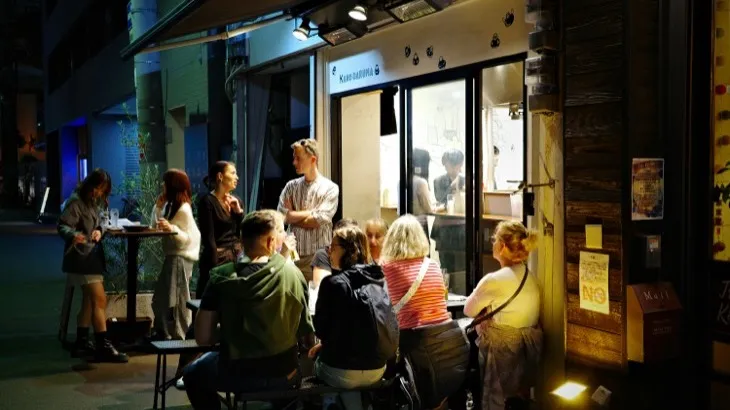
- "Third place" gatherings — people are rediscovering cafes, parks, community centers, and local venues as places to meet and hang out, rather than defaulting to DMs and group chats
- Interest-based local groups — running clubs, book clubs, cooking meetups, and creative workshops are booming, especially among 20- and 30-somethings
- Digital tools for real-world plans — instead of using apps to scroll endlessly, people are gravitating toward tools that help them discover what's happening nearby and actually show up
- Smaller, closer circles — the era of accumulating thousands of followers is giving way to maintaining tighter, more meaningful relationships
Current Events Are Accelerating the Shift
Several things happening right now are reinforcing this move toward real-world social habits. The U.S. Surgeon General's ongoing campaign around the loneliness epidemic has brought unprecedented attention to the health consequences of social isolation — comparing chronic loneliness to smoking 15 cigarettes a day. Governments worldwide are following suit, with the WHO's Commission on Social Connection reporting that teenagers (ages 13-17) have the highest loneliness rates globally at nearly 21%.
At the same time, the backlash against social media's impact on mental health continues to grow. Legislative efforts to restrict algorithmic feeds for minors, increasing scrutiny on data privacy practices, and a cultural reckoning with what "connection" really means are all converging. Research shows that 81% of Gen Z now express concern about data privacy on social platforms, yet only 14% say they fully trust platforms with their personal information.
The result? People aren't waiting for platforms to fix themselves. They're building new habits on their own terms.
What Healthy Social Habits Look Like in Practice
The most encouraging part of this shift is how practical it is. Healthy social habits in 2026 don't require a digital detox or going off the grid. They just require a different relationship with technology — one where digital tools serve your real-world social life instead of replacing it.
Here's what that looks like for many people:
- Morning scroll becomes morning plans. Instead of checking feeds first thing, people open local discovery apps to see what events, pop-ups, or meetups are happening that day.
- Content consumption becomes community participation. Rather than watching someone else's experience on TikTok, people attend the event themselves and share it with friends who were actually there.
- Online connections become offline friendships. Meeting someone through a shared interest online, then grabbing coffee at a local spot. The digital introduction leads to something tangible.
This is exactly the kind of behavior that platforms like Therr are designed to support. By tying content and discovery to your real-world location, Therr makes it easy to find what's happening around you, connect with people nearby, and build habits centered on showing up — not just scrolling past.
Small Businesses Are Part of the Story
There's another dimension to changing social habits that doesn't get enough attention: local businesses. When people start spending more time in their neighborhoods — visiting cafes, attending events at local venues, shopping at independent stores — the entire local economy benefits.
And it works both ways. Small businesses that create welcoming "third places" for their communities see more repeat customers, stronger word-of-mouth, and deeper loyalty than any ad campaign could buy. The social habit of choosing local isn't just good for your mental health — it's good for your city.
Therr's reward system leans into this dynamic, offering real incentives for engaging with local businesses and attending community events. It's social media that actually makes your neighborhood stronger.
Social Habits for Teens and Young Adults: What's Actually Working
For teens and young adults navigating social media in 2026, the path to healthier social habits isn't about going cold turkey — it's about being intentional. The most effective approaches combine awareness with action:
- The "one-for-one" rule. For every hour spent scrolling, spend an hour doing something social in person. A walk with a friend, a coffee shop visit, a pickup game at the park.
- Curate for proximity. Follow local accounts instead of global influencers. When your feed reflects your actual neighborhood, it becomes a tool for connection rather than comparison. As we explored in our post on why Gen Z trusts local creators, proximity breeds trust.
- Replace passive consumption with active discovery. Instead of watching someone else's weekend on TikTok, use a local-first app like Therr to find out what's happening locally and go experience it yourself.
- Prioritize third places. Cafes, parks, libraries, community centers — these spaces exist to be social in. Make them part of your weekly routine.
The key insight is that healthy social habits aren't about using technology less — they're about using it differently. The best social habit you can build in 2026 is simple: let your phone help you show up, then put it away.
Building Better Social Habits Starts Today
If you're reading this and recognizing your own scrolling patterns, you're not alone. The good news is that shifting your social habits doesn't require a dramatic overhaul. Small, consistent changes add up:
- Pick one day this week to go screenless for social. Meet a friend in person. Visit a new spot in your neighborhood. See what happens when your social life isn't mediated by a screen.
- Swap one scroll session for one discovery session. Use a local-first app to find an event, a new restaurant, or a community group near you.
- Invest in proximity. The people who live, work, and hang out near you are the ones most likely to become lasting friends. Prioritize them.
- Share real experiences, not curated highlights. When you post, share something genuine — a place you loved, a meal that surprised you, a conversation that stuck with you.
The social habits we build today shape the communities we live in tomorrow. The shift toward real, local, intentional connection is already underway. The question is whether you'll ride the wave or keep scrolling past it.
Download Therr and start building social habits that actually bring you closer to the people and places around you.
Share your thoughts on our socials or send an email, and let us know if you can relate. For more tips & info, send feedback, questions, or suggestions to the e-mail below!
info@therr.com